


The World Cup and sport for social impact this Day of the Africa Child

As the World Cup captures global attention, with billions expected to watch what could become the most-viewed streamed media event ever, we are emphasising the theme of access to opportunity on this Day of the African Child.
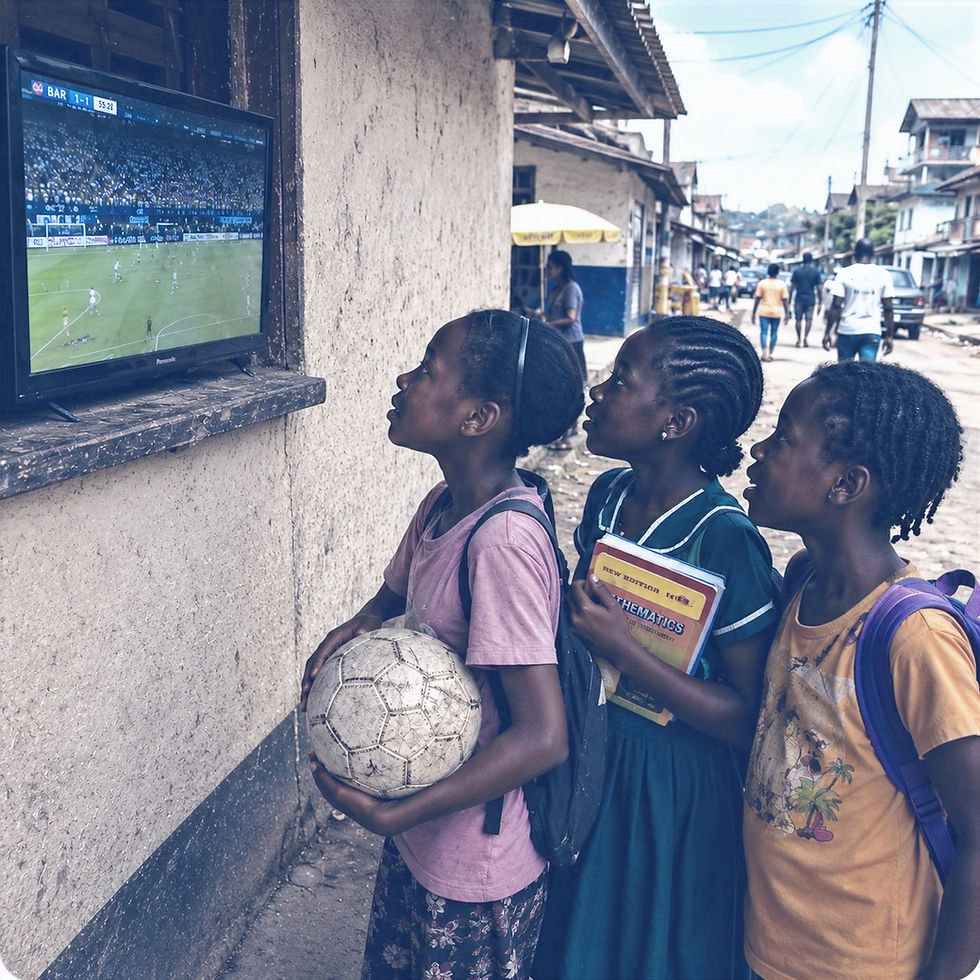
The reality for millions of children living in some of the world's hardest to reach communities is palpable. While talent is evenly distributed, opportunity is fragmented at best, as investment in skills is often overlooked.
Through our own work on the ground, we know that there is a generation ready to shine - not only in sport, but in grasping meaningful opportunities to thrive. In keeping the rights of children at the centre of public attention each year, celebrating the Day of the African Child helps drive policy and awareness towards a future that is inclusive for all children, regardless of where they are born.
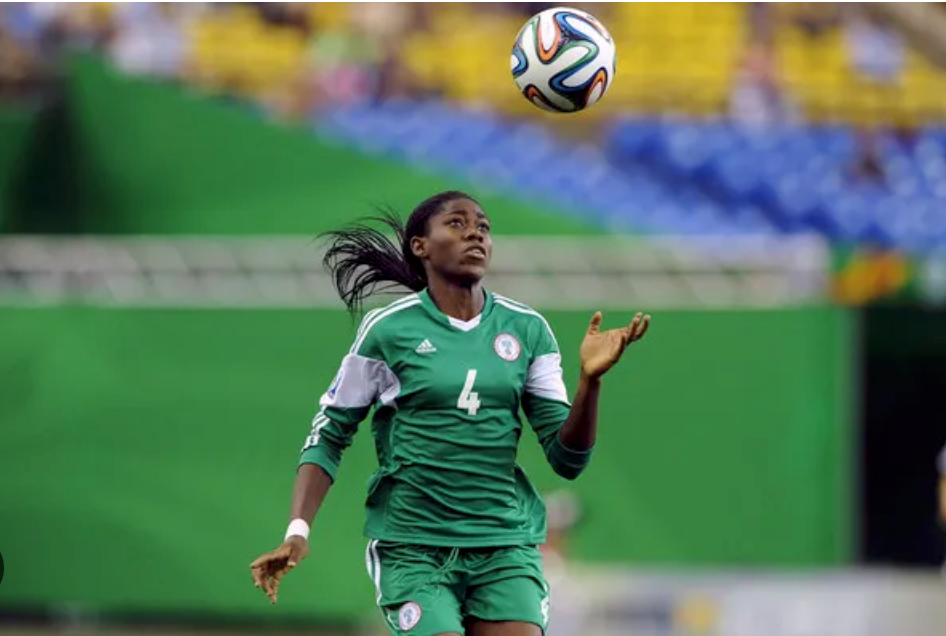
Players like Nigeria’s Asisat Oshoala serve as a strong reminder of the remarkable talent coming from Africa. However, many talented children remain unnoticed, not due to a lack of potential, but because persistent underinvestment and diminishing international development support restricts opportunity.
Our pilot programme in Sierra Leone in 2015 was borne in the shadow of one of the most severe Ebola outbreaks in history during 2014–2016, with nearly 9,000 cases and close to 4,000 deaths; ten years later it’s back on the news with cases emerging in DR Congo. Many children were left without family members, and girls had been exposed to risks including gender-based violence, poverty, and no education.
After more than a decade working on the ground, we know that our sport for social impact model is closely linked to meaningful change in the communities we work. From improved school attendance, increased self-efficacy, and reduction of risks, reduction to early marriage and teenage pregnancy, gender-based violence, and child labour.
Where dramatic cuts to international development aid by some of the world's most powerful countries continue to be implemented, we have been facilitating impact from the community grassroots.
The United States, The United Kingdom, France, Germany, Canada, Australia and the European Union have all drastically rolled back global development aid. And in a devestating blow to the Global South, this year’s host country for the World Cup has shutdown the United States Agency for International Development (USAID) with an estimated $37 billion in reductions.
But sport should not be a luxury; it is a powerful enabler of sustainable development. Yet, instead of supporting those who need it most, the sports industry also continues to channel massive investment exclusively into the highest elite levels.
Girls in Sport continue to work to ensure that girls have consistent, safe, and meaningful access to sport in protected settings, where programmes are coached by female role models, trained in providing gender risk mitigation and safeguarding against harms and gender-based violence. The erasure of stigma in sport fosters gender equity in communities as well as access to literacy - by far the greatest marker of attitudes to gender.
Our programmes integrate physical activity with mentorship, skill-building, and safeguarding to support girls’ long-term development and wellbeing.
On this day of the African child, we must remember and acknowledge the role of global aid and development, and we urge policymakers, donors, and development partners to recognise sport for social impact s a strategic conduit in advancing gender equity and improving outcomes for children in communities with restricted access to opportunity.
To help us continue in our efforts to help improve opportunities for girls through sport, you can sponsor our work through the Champions Initiative.
Footnotes: Sierra Leone Data: (2026)
Based on recent demographic data from the United Nations Population Fund (UNFPA) and the World Bank, there are approximately 1.5 to 1.6 million girls between the ages of 5 and 18 in Sierra Leone.
Education: Fewer than 22% of girls complete upper secondary school in Sierra Leone.
Child Marriage: Around 30% of girls marry before age 18; enforcement of the Prohibition of Child Marriage Act remains weaker in rural areas. (Forward.org.uk)
Poverty Drivers: In low-income areas, nearly 44% of families report pressures that contribute to early marriage, including poverty and teenage pregnancy.
Gender-Based Violence (Lifetime): An estimated 61% of women and girls experience physical or sexual violence over their lifetime.
Gender-Based Violence (Annual): Between 50% and 62% of women and girls report violence within a 12-month period.
Underreporting: Many incidents go unreported because of stigma, fear of reprisal, and reliance on informal community arbitration.
Sport Access: In many rural communities, fewer than 15% of girls have regular access to sport; domestic labour and gender norms remain major barriers.
What Improves Access: Girls’ participation rises mainly where NGOs provide structured, safe programmes that challenge gender norms and build confidence.


